
Abstract
Zum AnfangEnergy Transition Town Twinnings
Energy Transition Town Twinnings

Vollbild
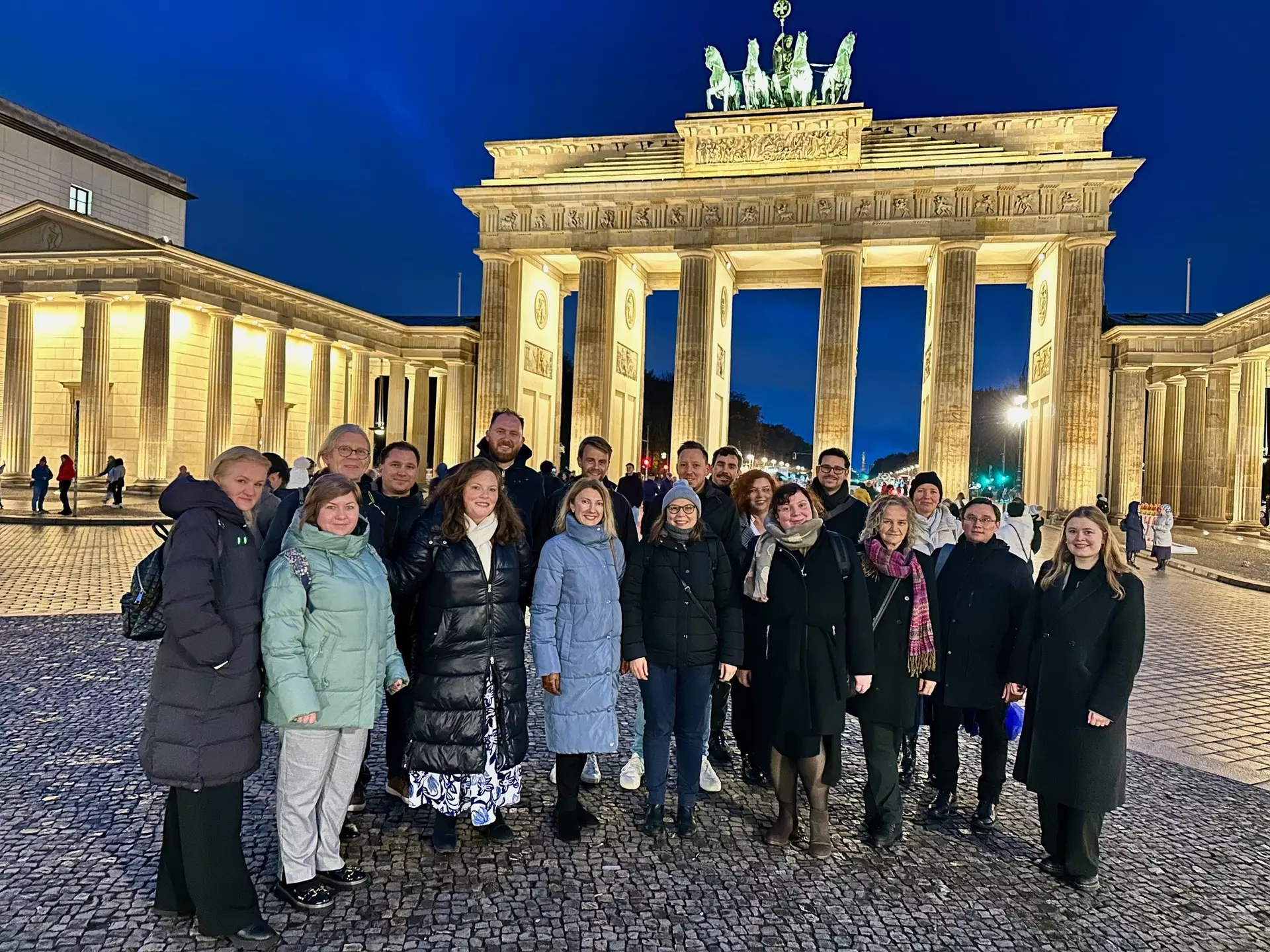
As cities play major role in energy transition, our work is very much focused on cities and municipalities as leaders in the
necessary change through the project “Energy Transition Partner City” ,
funded by the Federal Foreign Office. The project aimed to foster new partnerships and strengthen existing ones
by sharing knowledge and expertise on renewable energy. In addition,
the project aimed to launch energy transition initiatives tailored to the
specific needs and priorities of each municipality.
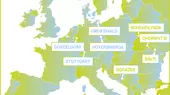
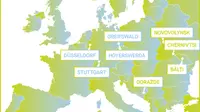
Therefore together with the German Foreign Federal Office we selected Düsseldorf, Hoyerswerda, Stuttgart, and Greifswald from Germany and cities from the EU candidate countries such as Novovolynsk and Chernivitsi from Ukraine, Bălți from Moldova and Goražde from Bosnia and Herzegovina.
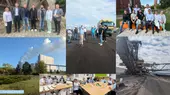
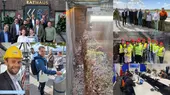
The last two years were packed with expertise, partnership and unforgettable experience. We’ve met so many new friends and gained invaluable insights that go far beyond the professional scope.
Therefore together with the German Foreign Federal Office we selected Düsseldorf, Hoyerswerda, Stuttgart, and Greifswald from Germany and cities from the EU candidate countries such as Novovolynsk and Chernivitsi from Ukraine, Bălți from Moldova and Goražde from Bosnia and Herzegovina.
The last two years were packed with expertise, partnership and unforgettable experience. We’ve met so many new friends and gained invaluable insights that go far beyond the professional scope.
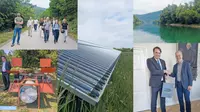
Goražde - Greifswald

Novovolynsk - Hoyerswerda

Czernivtsi - Düsseldorf

Bălți - Stuttgart

Challenges and Solutions
Powering Europe's Heating Transition
Powering Europe's Heating Transition
Vollbild
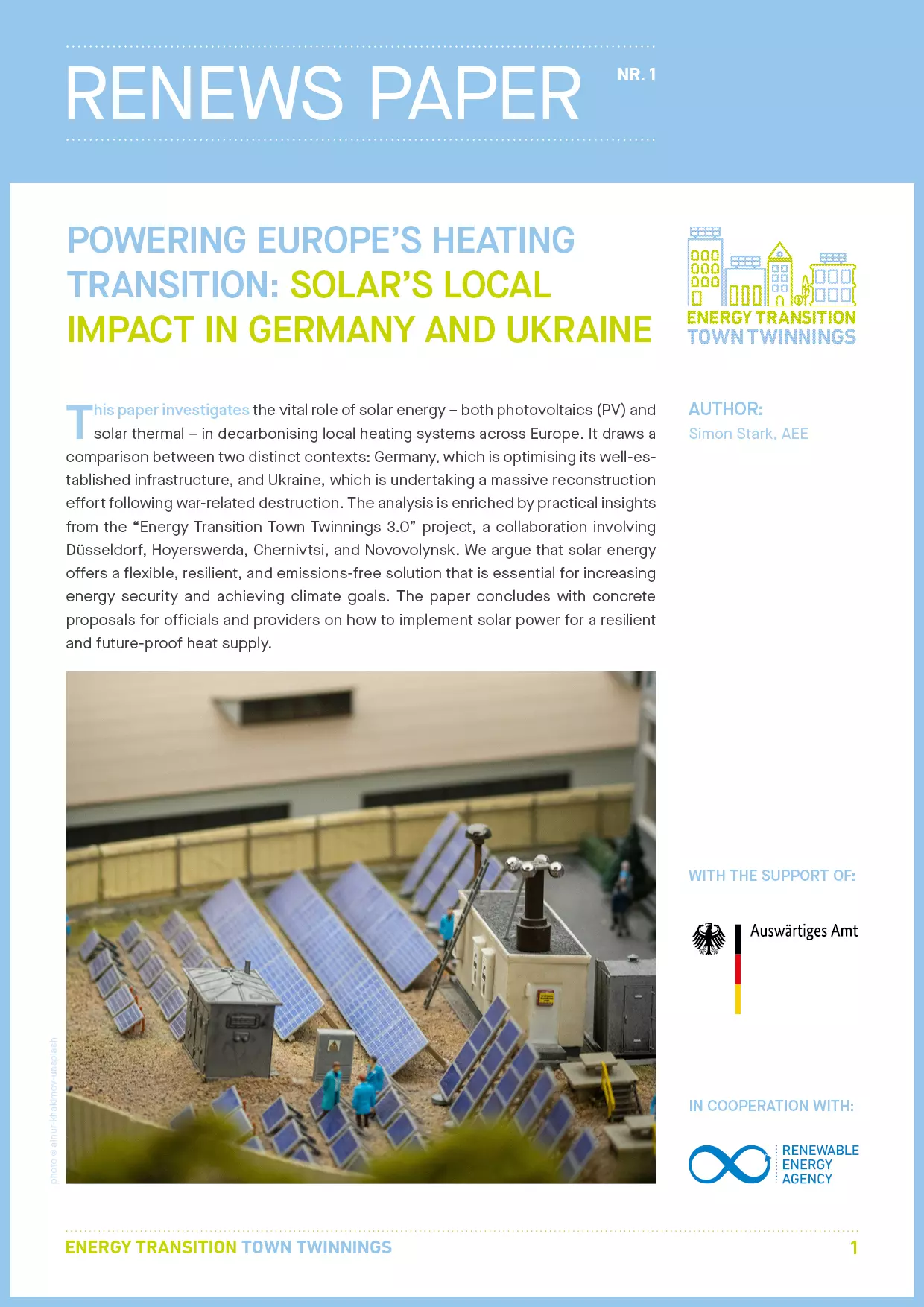
Europe’s journey towards climate-neutral heating and electricity is complex, facing both common challenges and unique national situations. This analysis shows that while Germany is busy decarbonising its well-established infrastructure, Ukraine faces the enormous task of rebuilding its energy systems and legal frameworks during wartime. Yet, in both countries, solar energy clearly stands out as a vital solution. It offers a path towards environmental sustainability, stronger energy security, and economic renewal. Insights from the “Energy Transition Town Twinnings” project further confirm that even though challenges like funding, qualified staff, and public buy-in are universal, solving them effectively requires tailored strategies and teamwork at every level.
Finally, we must cultivate public engagement and acceptance. This calls for implementing strong communication strategies through targeted campaigns. These campaigns should aim to raise public awareness about the benefits of renewable heating, clear up misunderstandings, and explain available support schemes. It is equally vital to facilitate active citizen participation by creating easy-to-access channels for residents, businesses, and community groups to contribute to local heat planning and energy projects. This helps build a critical sense of ownership and shared responsibility. Additionally, supporting decentralised generation by actively promoting initiatives like plug-in PV systems empowers individual households to become direct participants in the energy transition, which in turn builds broader societal acceptance of solar solutions.
Take a look inside
Finally, we must cultivate public engagement and acceptance. This calls for implementing strong communication strategies through targeted campaigns. These campaigns should aim to raise public awareness about the benefits of renewable heating, clear up misunderstandings, and explain available support schemes. It is equally vital to facilitate active citizen participation by creating easy-to-access channels for residents, businesses, and community groups to contribute to local heat planning and energy projects. This helps build a critical sense of ownership and shared responsibility. Additionally, supporting decentralised generation by actively promoting initiatives like plug-in PV systems empowers individual households to become direct participants in the energy transition, which in turn builds broader societal acceptance of solar solutions.
Take a look inside
Skilled Workers
Skilled Workers

Vollbild
Cities and villages need long-term employees such as energy managers or climate protection managers to work on the transformation. They can strengthen the transition through continuous efforts, exchange with the local population, and education of employees and inhabitants. In Germany, the role of climate protection managers is also highly dependent on financial opportunities of the municipalities, financial support through programmes like the ‘Nationale Klimaschutzinitiative’ (NKI) – the German national climate protection initiative – and political will. As part of the ‘Energy Transition Town Twinning’ project, we demonstrated that many cities are willing to work on a local energy transition. However, many municipalities face underfunded
city budgets for a transition and underemployed administrations – especially in the field of sustainability and climate protection.
Implementing energy managers through funding like the German NKI or through external institutions can be a first step. Nevertheless, cities are in need of funding ongoing positions in the city council focusing on the communal energy transition. In order to achieve a transition of the work sector, town halls are in need of support by the local government and national and international regulations. Legal frameworks and financial support are essential to establish a wide-scale transition of the economy
and retraining of workers. A lack of qualified personnel is clearly linked to a lack of investment in the sector of renewable energy.
Take a look inside
city budgets for a transition and underemployed administrations – especially in the field of sustainability and climate protection.
Implementing energy managers through funding like the German NKI or through external institutions can be a first step. Nevertheless, cities are in need of funding ongoing positions in the city council focusing on the communal energy transition. In order to achieve a transition of the work sector, town halls are in need of support by the local government and national and international regulations. Legal frameworks and financial support are essential to establish a wide-scale transition of the economy
and retraining of workers. A lack of qualified personnel is clearly linked to a lack of investment in the sector of renewable energy.
Take a look inside
Local Government Funding
Local Government Funding
Vollbild
There are a number of funding programmes and projects that can help drive the energy transition forward. The central problem here is not necessarily the number of funding opportunities, but rather the bureaucratic burden that municipalities face in identifying, assessing and applying for such projects. Due to financial pressure in times of tight budgets, an increasing number of municipalities are applying for funding programmes. The overload on the programmes and the low chances of success were a recurring theme during the project period.
Skilled workers are required for every application, which in turn must be funded. A lack of English language skills in partner municipalities in Ukraine and, for example, the Republic of Moldova presents an additional hurdle. Consequently, such applications pose a major hurdle, particularly for small municipalities. Furthermore, some local authoritiesare simply too small to qualify for certain funding programmes. The lengthy and complicated application processes tie up a lot of staff time without any certainty of receiving approval, as the chances of success are often below ten per cent. In particular, low financing costs should help to reduce the risk for local authorities. Streamlined and simplified application procedures, as well as consistent funding, could make it easier for towns and local authorities to finance the energy transition. The German Climate and Transformation Fund represents a step in the
right direction in this regard.
Take a look inside
Skilled workers are required for every application, which in turn must be funded. A lack of English language skills in partner municipalities in Ukraine and, for example, the Republic of Moldova presents an additional hurdle. Consequently, such applications pose a major hurdle, particularly for small municipalities. Furthermore, some local authoritiesare simply too small to qualify for certain funding programmes. The lengthy and complicated application processes tie up a lot of staff time without any certainty of receiving approval, as the chances of success are often below ten per cent. In particular, low financing costs should help to reduce the risk for local authorities. Streamlined and simplified application procedures, as well as consistent funding, could make it easier for towns and local authorities to finance the energy transition. The German Climate and Transformation Fund represents a step in the
right direction in this regard.
Take a look inside
The Role of International Partnerships
The Role of International Partnerships
Vollbild
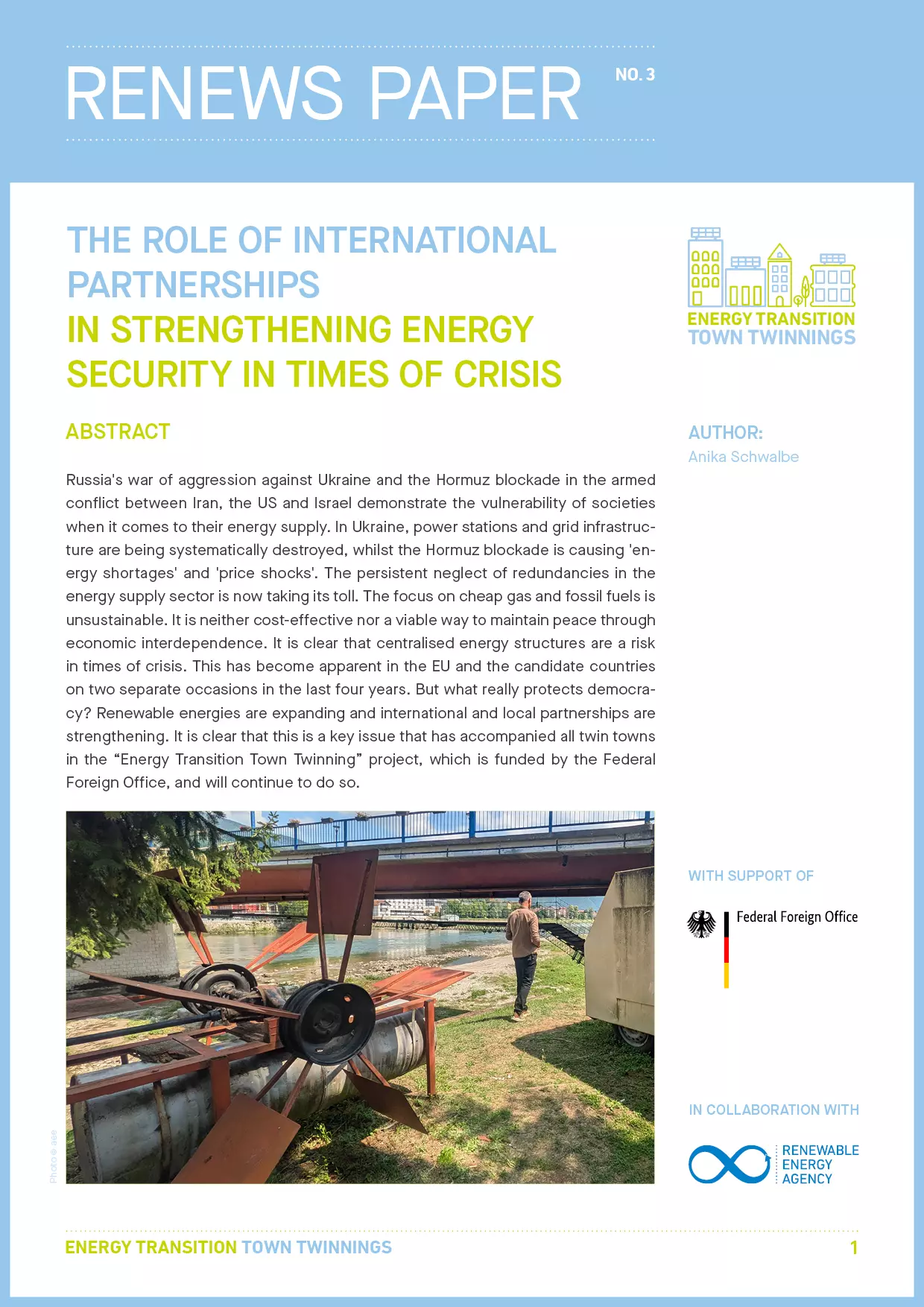
Decentralisation is the key to protecting against cascade effects, safeguarding critical infrastructure such as hospitals, etc., and making a coordinated attack considerably much harder to orchestrate. Independence, decentralisation and preparedness have become essential to increase the resilience of local authorities and to strengthen the psychological and physical resilience of civil society itself. To complement technical decentralisation through renewables, there is a simultaneous need for networking among local authorities. International partnerships should form the core of this. Ukrainian local authorities are not the only ones with extensive expertise on resilience in times of crisis. Those in Bosnia and Herzegovina and other regions also have this expertise, as demonstrated by their ability to carry out repairs
under extreme pressure. The value of exchanging these experiences and perhaps also the protective concepts developed in this context cannot be overstated. At the local level, this exchange is more direct and rapid. It is not constrained by national dependencies or those tied to international treaties. Furthermore, cross-border standards for decentralised networks can be developed to provide assistance in an
emergency.
In contrast to the often cumbersome German planning practices, transnational knowledge exchange with current and former crisis regions acts as a decisive accelerator. This technological ‘leapfrogging’ makes it clear that resilience is above all a question of the speed of implementation. Ongoing international exchange between local authorities enables rapid knowledge transfer, allowing us to benefit from the experiences of others without having to laboriously ‘go through’ every process ourselves. True security arises here through a bold reduction of bureaucratic hurdles in favour of the ability to act immediately. Germany and the EU must massively increase their rate of adaptation and consistently continue down the path of decentralised renewables – not merely as an ecological project, but as a necessary protective shield for security in the EU and its neighbouring countries.
Take a look inside
under extreme pressure. The value of exchanging these experiences and perhaps also the protective concepts developed in this context cannot be overstated. At the local level, this exchange is more direct and rapid. It is not constrained by national dependencies or those tied to international treaties. Furthermore, cross-border standards for decentralised networks can be developed to provide assistance in an
emergency.
In contrast to the often cumbersome German planning practices, transnational knowledge exchange with current and former crisis regions acts as a decisive accelerator. This technological ‘leapfrogging’ makes it clear that resilience is above all a question of the speed of implementation. Ongoing international exchange between local authorities enables rapid knowledge transfer, allowing us to benefit from the experiences of others without having to laboriously ‘go through’ every process ourselves. True security arises here through a bold reduction of bureaucratic hurdles in favour of the ability to act immediately. Germany and the EU must massively increase their rate of adaptation and consistently continue down the path of decentralised renewables – not merely as an ecological project, but as a necessary protective shield for security in the EU and its neighbouring countries.
Take a look inside
Raising Awareness
Raising Awareness
Vollbild
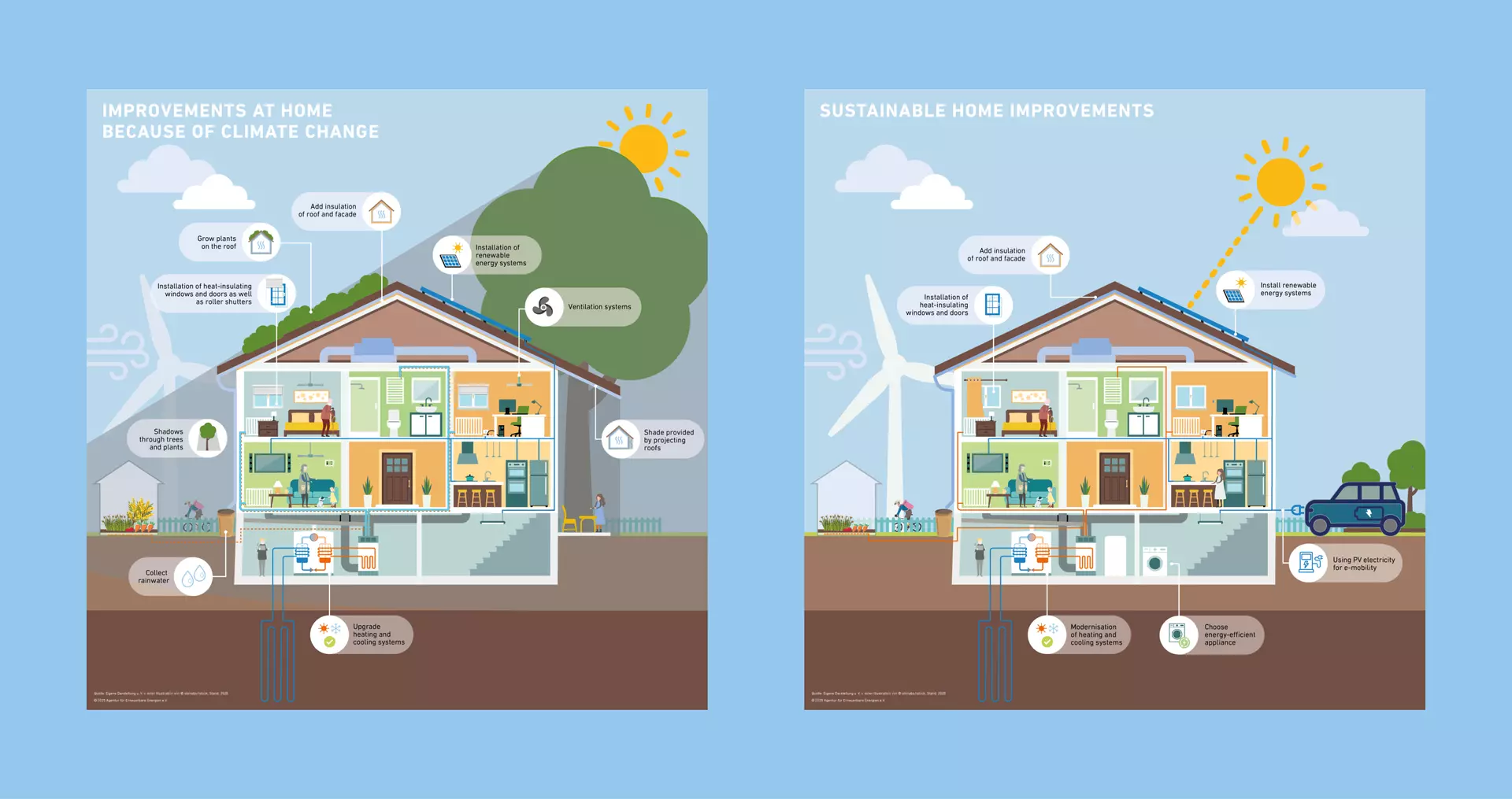
Another important aspect is increasing public awareness. An awareness toolkit was developed in collaboration with the town twinnings. It is characterized by engaging, easily understandable slides available in the respective national languages (German, English, Ukrainian, Bosnian, and Romanian). The materials cover three central topics: renewable energy technologies and energy efficiency/savings, the impacts of climate change at local and global levels, and inspiring good-practice examples that show how similar challenges were successfully overcome.
With clear visualizations, illustrative data, and locally relevant content, the slides are intended to both inform and motivate. The materials were designed for municipalities, educational institutions, NGOs, and other local multipliers who can use them in their networks and initiatives. The goal is to strengthen awareness of the importance of renewable energies and energy efficiency and to make a long-term contribution to the promotion of sustainable energy solutions and climate protection measures in the regions.
Use the tool
With clear visualizations, illustrative data, and locally relevant content, the slides are intended to both inform and motivate. The materials were designed for municipalities, educational institutions, NGOs, and other local multipliers who can use them in their networks and initiatives. The goal is to strengthen awareness of the importance of renewable energies and energy efficiency and to make a long-term contribution to the promotion of sustainable energy solutions and climate protection measures in the regions.
Use the tool
Would you like to join us?
Contact:
Renewable Energy Agency (AEE)Anika Schwalbe
a.schwalbe@unendlich-viel-energie.de
The “Energy Transition Town Twinnings” project was funded by the Federal Foreign Office (The Foreign Ministry of the Federal Republic of Germany) .
Renewable Energy Agency (AEE)Anika Schwalbe
a.schwalbe@unendlich-viel-energie.de
The “Energy Transition Town Twinnings” project was funded by the Federal Foreign Office (The Foreign Ministry of the Federal Republic of Germany) .
Scrollen, um weiterzulesen
Wischen, um weiterzulesen
Wischen, um Text einzublenden




















 The Impact of International Partnerships
 Energy Transition Town Twinnings
 The Communities
 The Partnerships
 Goražde - Greifswald
 Goražde - Greifswald
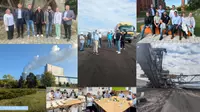 Novovolynsk - Hoyerswerda
 Novovolynsk - Hoyerswerda
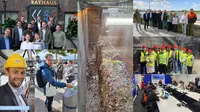 Czernivtsi - Düsseldorf
 Czernivtsi - Düsseldorf
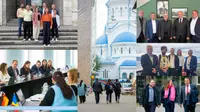 Bălți - Stuttgart
 Bălți - Stuttgart
 Skilled Workers
 Would you like to join us?